Skip to content

A major new publication · 2026

Anton van Wouw — looked at closely.

A book built from years of looking, questioning, collecting and research. Gerard de Kamper and Chris de Klerk bring the work and life of Anton van Wouw together in a publication made for people who want to understand the artist, not simply recognise the name.

Gerard de Kamper · Chris de Klerk

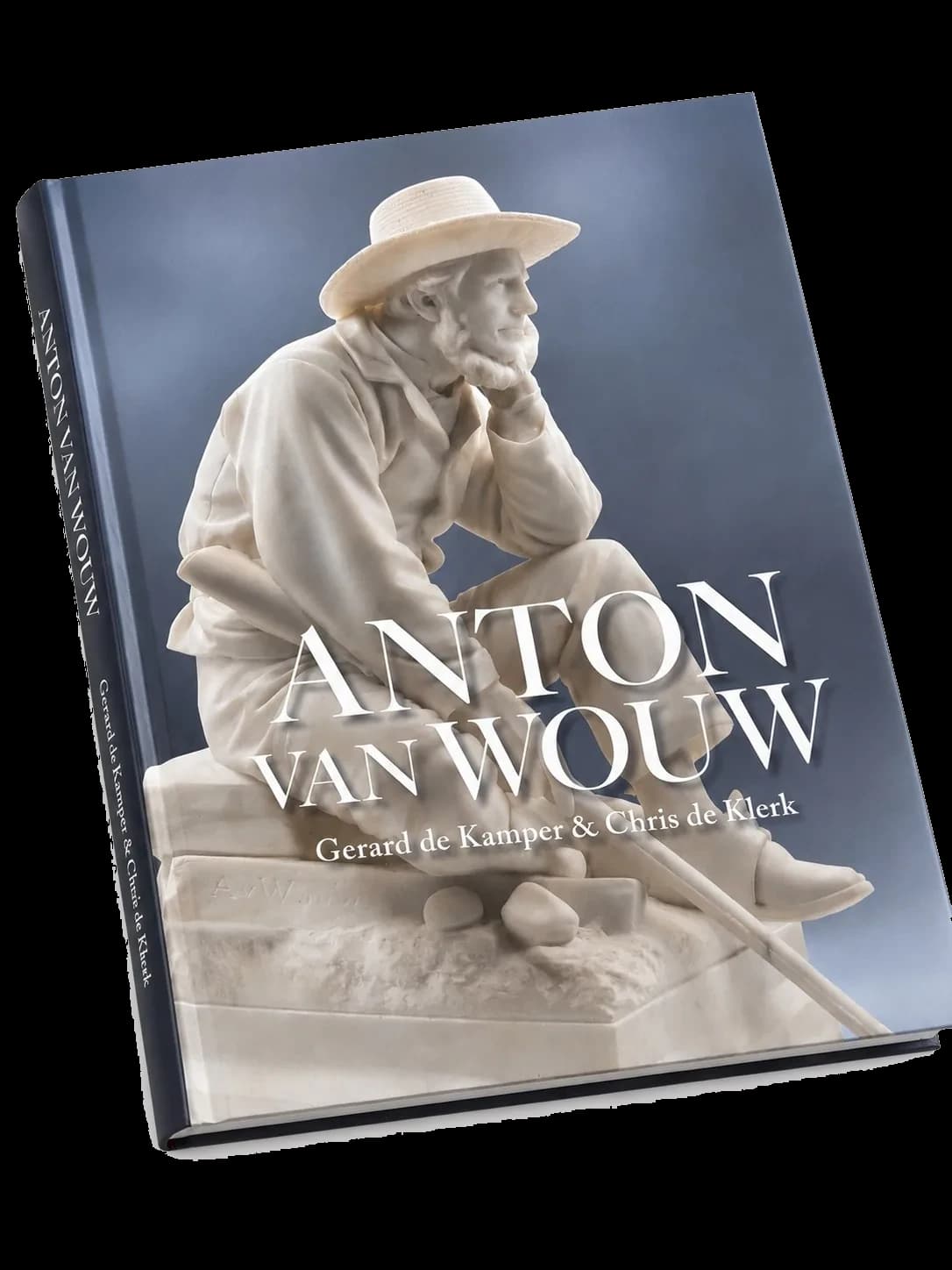
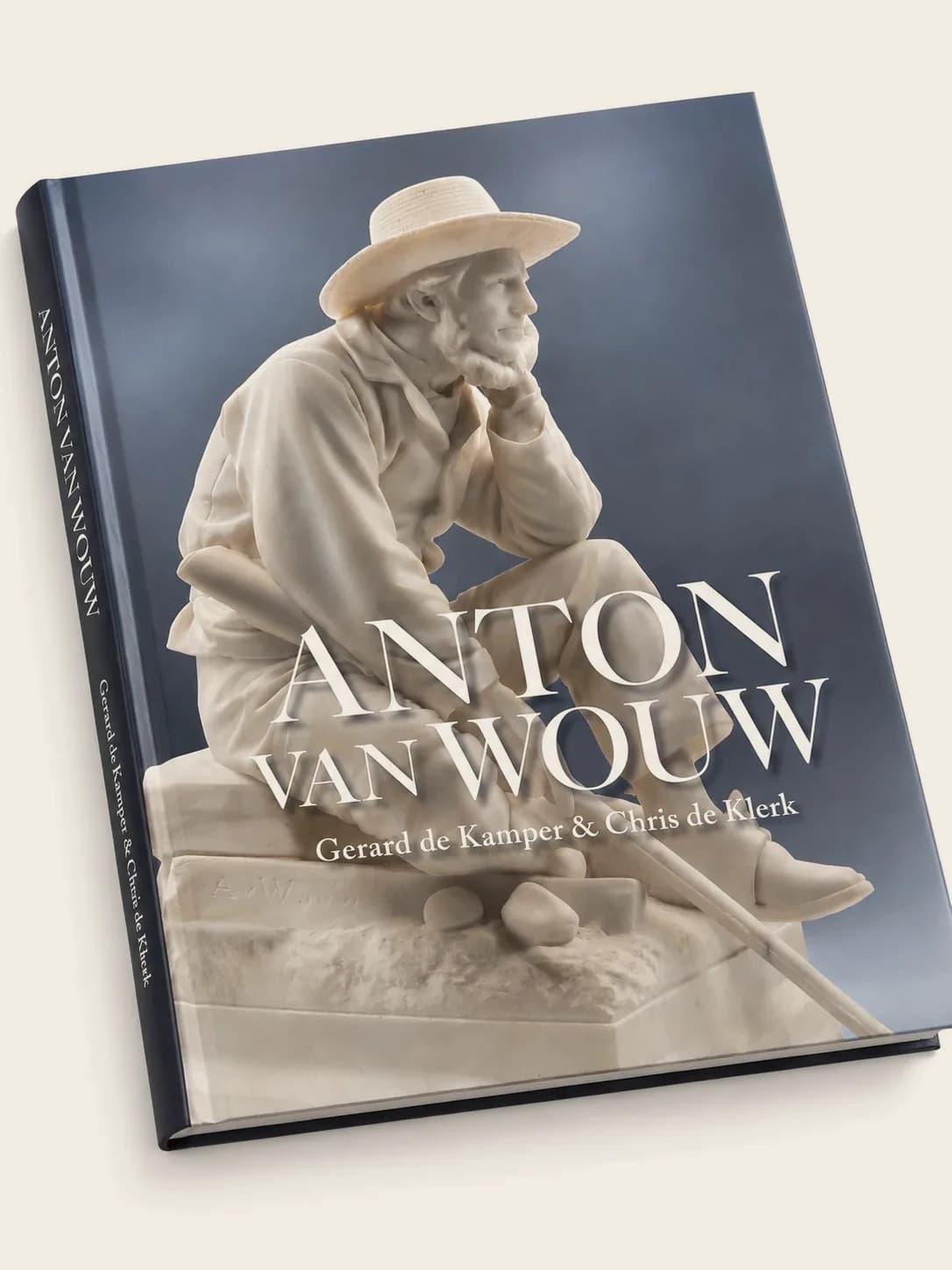
Anton van Wouw — hardcover edition
Hardcover edition

Also available

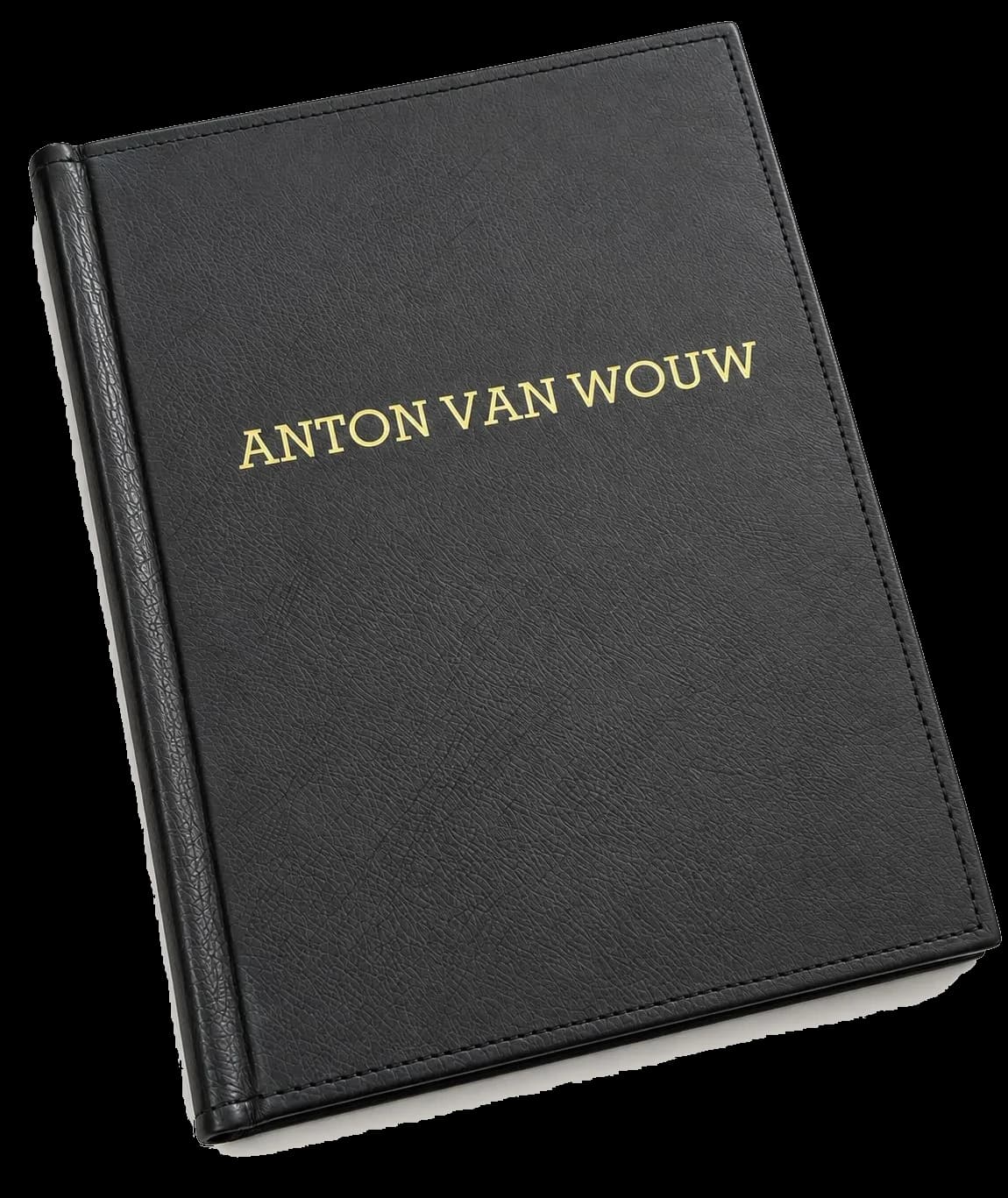
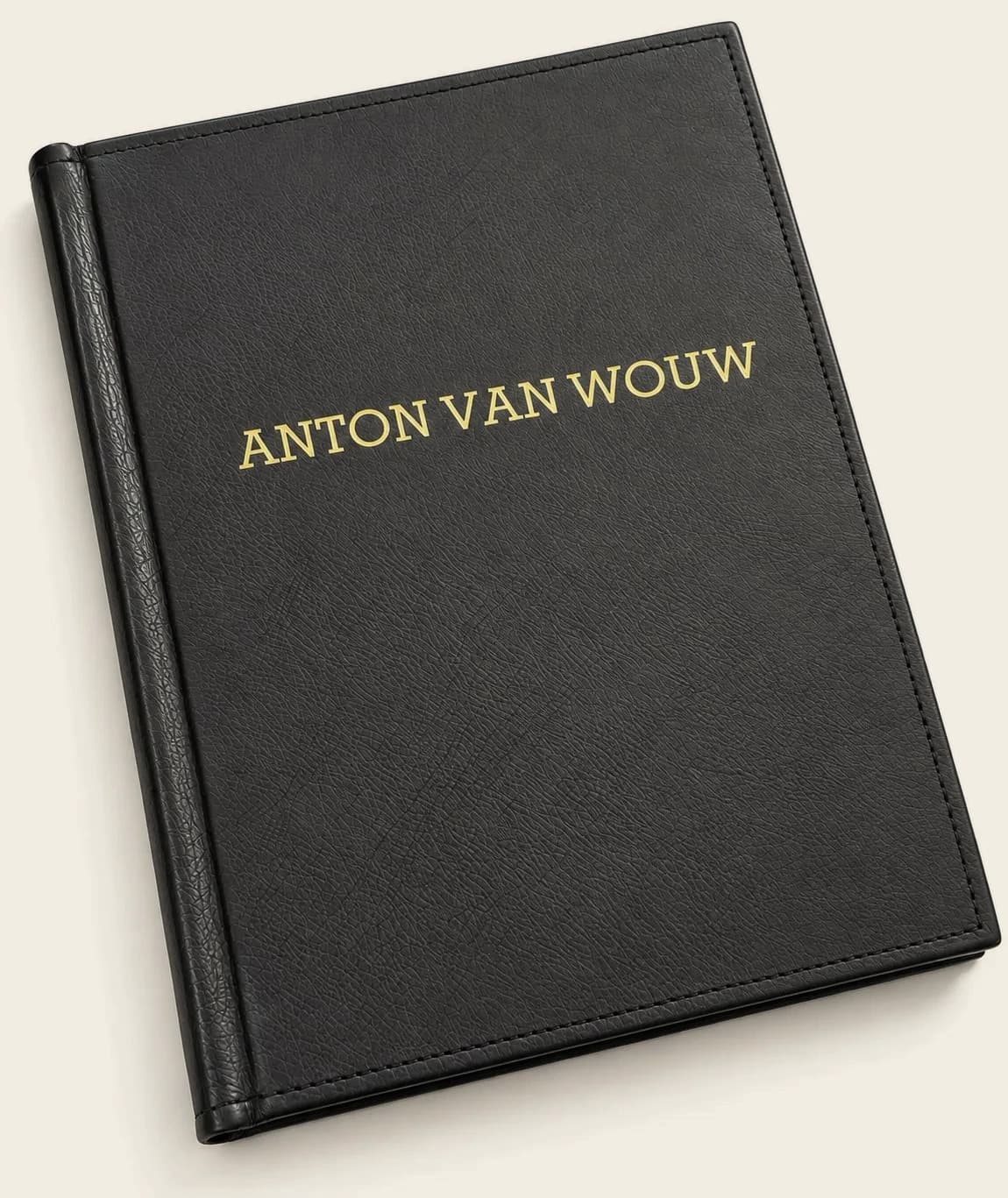
Leather-bound Collector's EditionLimited to 100 numbered copies, signed by both authors · View both editions →

Anton van Wouw

An artist who rewards a second look.

Van Wouw's place in South African sculpture is secure, but familiarity can sometimes flatten an artist into a handful of famous monuments. The smaller bronzes, portraits, studies and documentary traces reveal something more intimate: a sculptor attentive to posture, character, labour and the people around him.

The book places those different scales of his practice alongside one another and gives the reader the context to look again — at the work, at the period in which it was made and at the evidence that has survived.

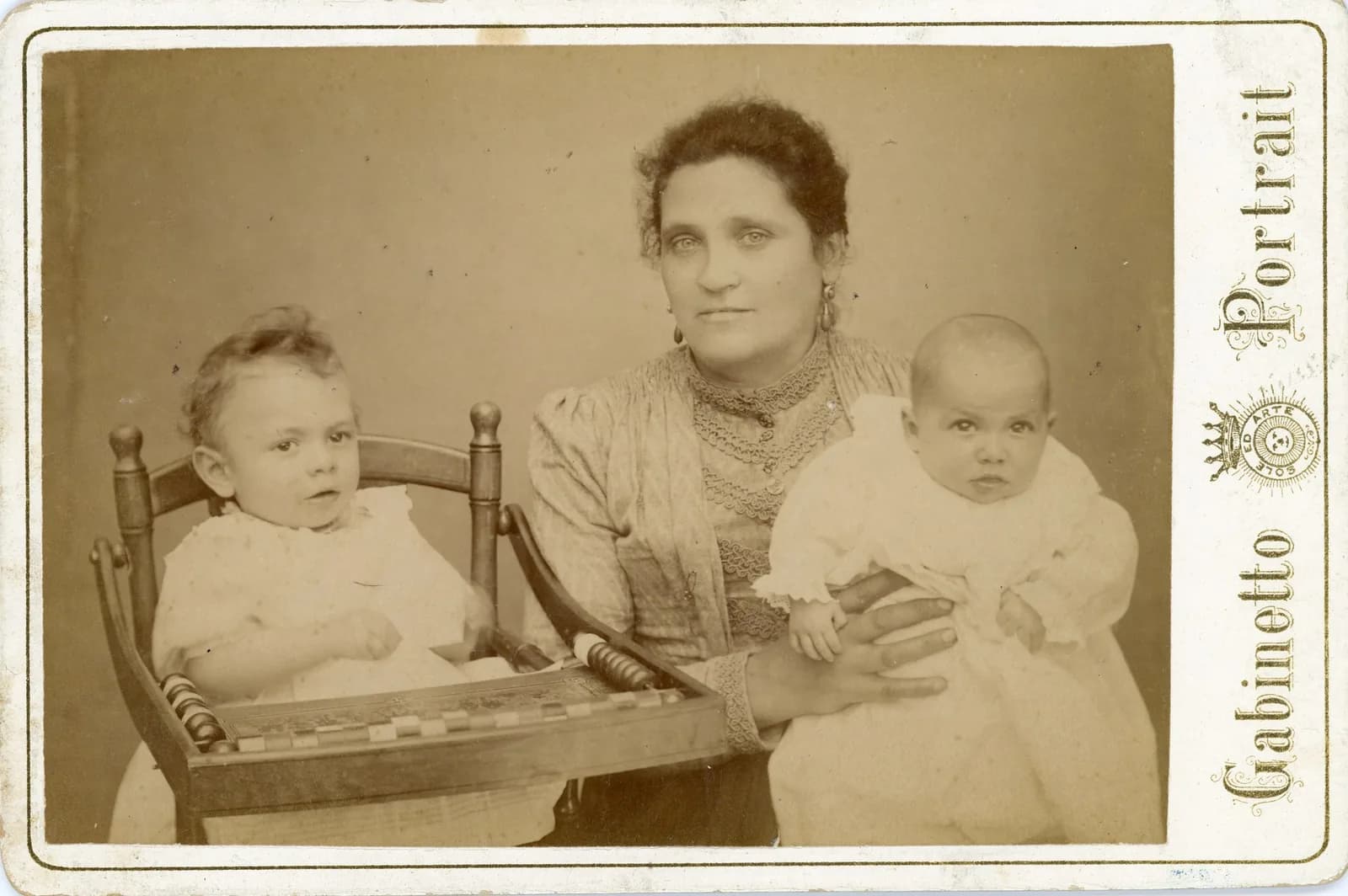
Anton van Wouw archival photograph
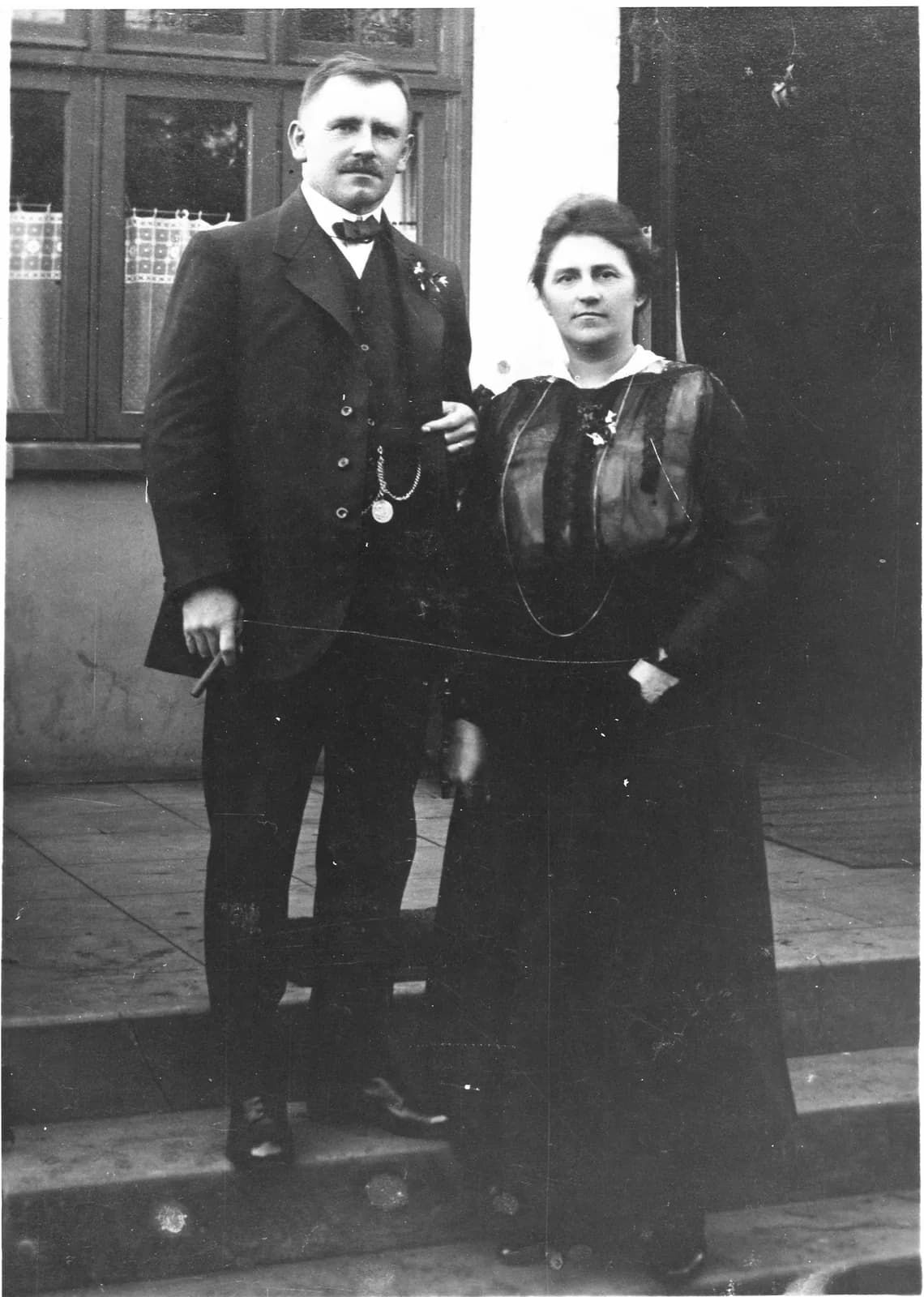
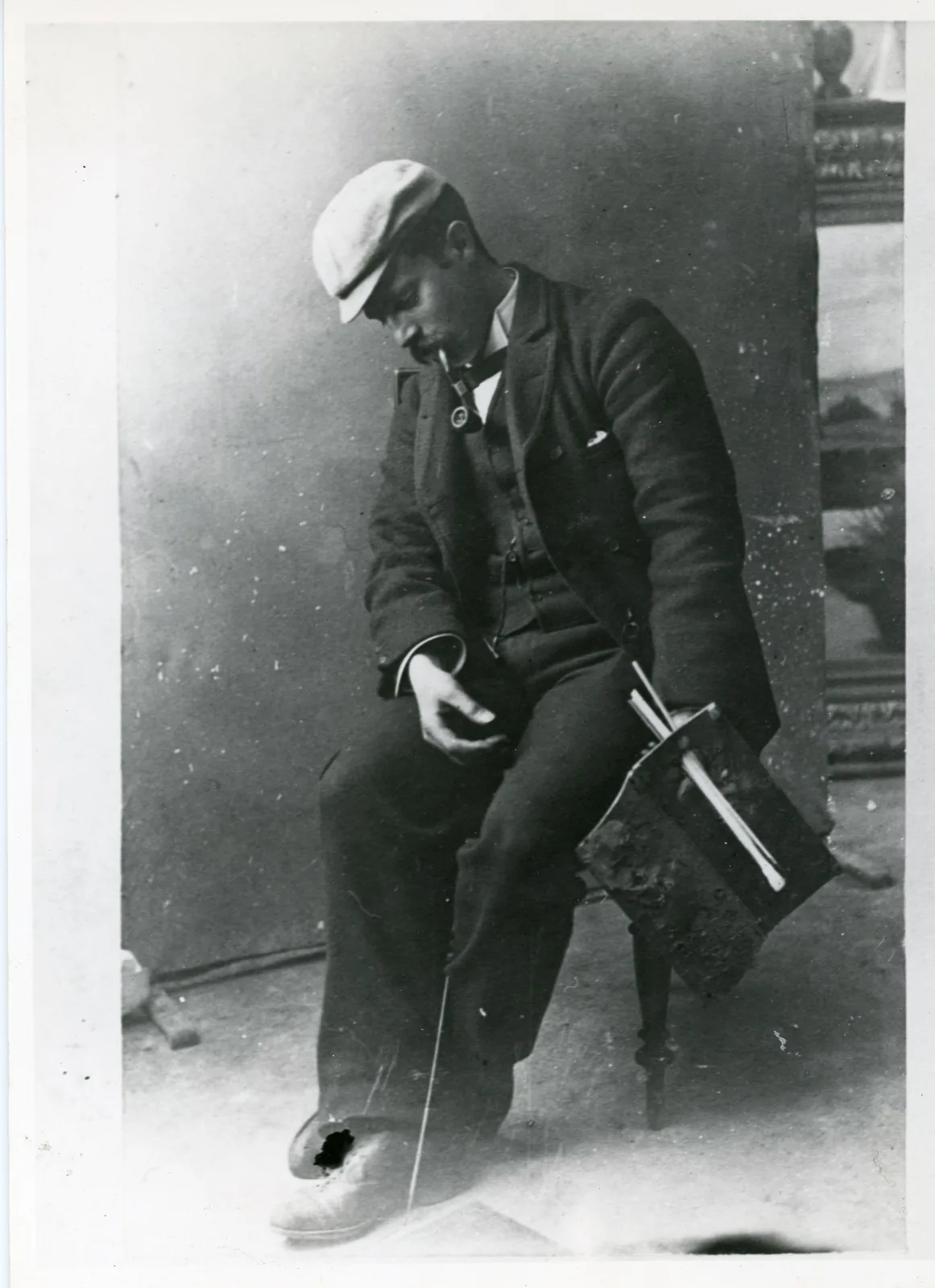
Anton van Wouw personal photograph

Archival material used in the research behind the publication

Why this book

Research that grew into something worth publishing.

For Gerard and Chris, the project was never about producing another decorative volume. Their interest in Van Wouw had already been shaped by years of research, collecting, handling works and conversations around South African art. The book became a way of bringing that knowledge together carefully, checking it and putting it into a form others could use.

That meant following the detail: comparing works and photographs, working through archival records, testing dates and context, refining the sequence and returning to material when something did not quite fit. The finished publication carries that process quietly — it does not need to shout about the work behind it because the pages show it.

Look closely

The sculpture remains the starting point — form, surface, subject and the clues that come from spending time with the object itself.

Follow the record

Photographs, documents, chronology and provenance give the works a life beyond the pedestal.

Make it useful

A serious art book should be beautiful enough to keep out, and substantial enough to return to when a question arises.

Anton van Wouw hardcover publication
Anton van Wouw leather collector's edition

The publication

Built as a reference. Finished as an object.

The 224 numbered pages move between finished sculpture, historical photographs, chronology, archival material and contextual writing. The aim is not simply to display Van Wouw's work, but to make the material intelligible and useful — for the collector, the researcher and the reader coming to the artist for the first time.

01Original archival and documentary material sits alongside the sculpture, allowing the reader to see more than the finished object.
02The visual sequence is designed for browsing, while the research gives the book enough depth to function as a working reference.
03The physical production matters because books of this kind are meant to remain in collections and libraries for years, not disappear after a launch.

Inside the book

The proof is in the pages.

These spreads are where the publication earns its weight: sculpture and biography sit alongside timelines, photographs, letters and archival records. It is the combination that gives the book both visual pleasure and reference value.

De la Rey, 1926 · De Wet, 1916Two portrait busts with archival photograph and sources · pp. 84–85
Lukin Maquette, 1929 · Lukin Statue, 1930From the studio plaster to the Company Gardens, Cape Town · p. 178
Memorandum of AgreementVan Wouw's agreement with a Johannesburg syndicate of backers, with the subscribers' signatures
Celliers in a Chair, 1899The bronze beside a portrait of Jan F Celliers, founder of De Volkstem
From the personal archiveFull-page photographic plates of Van Wouw, family and friends
1. Short TimelineThe chronology opens with Van Wouw's birth in Driebergen in 1862 · p. 12
Made to outlast its launch.

The photographs, archival reproductions and structured page design make clear that this is a professionally researched and produced art publication — one intended to carry authority beyond its launch year.

A book you can use.

The reader can move from the pleasure of a full-page image to the detail of a document, date or catalogue entry without the book losing its visual rhythm.

The authors

Serious work, done in very ordinary places.

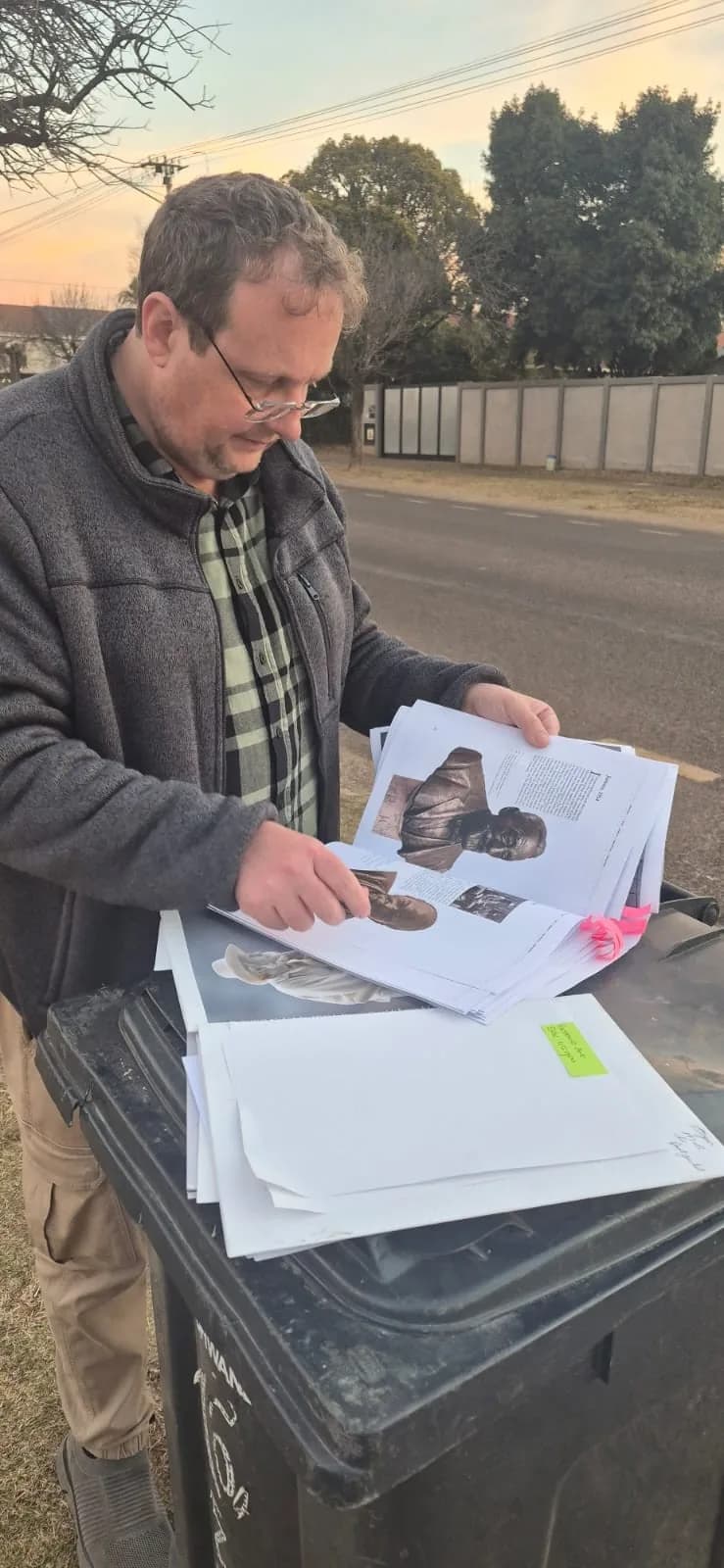
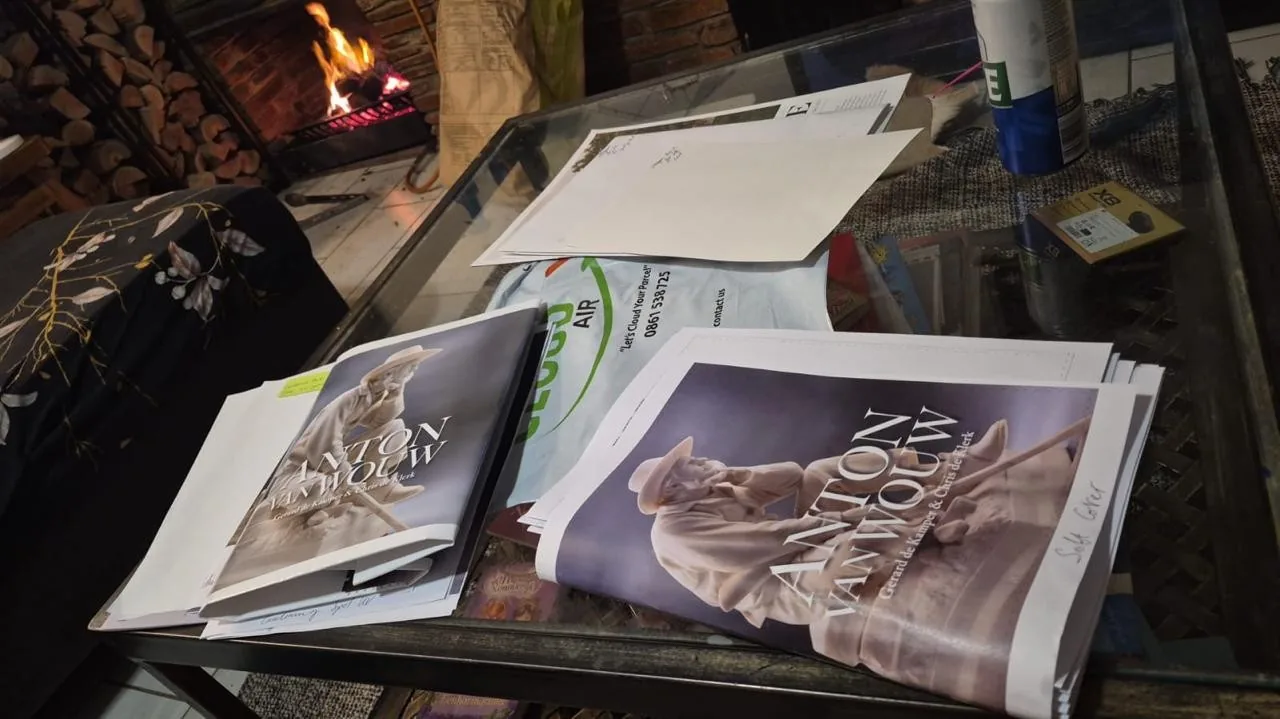
The polished book came out of an unpolished process: proofs balanced where there was space, pages discussed over coffee, print samples collected and checked, and research continuing at home. Those moments are part of the story because they show how personally Gerard and Chris carried the project.

Gerard de Kamper working on the book
Gerard de KamperResearch carried into everyday life
Work in progress on the Anton van Wouw publication
Work in progress — proofs, pages and decisions taking shape
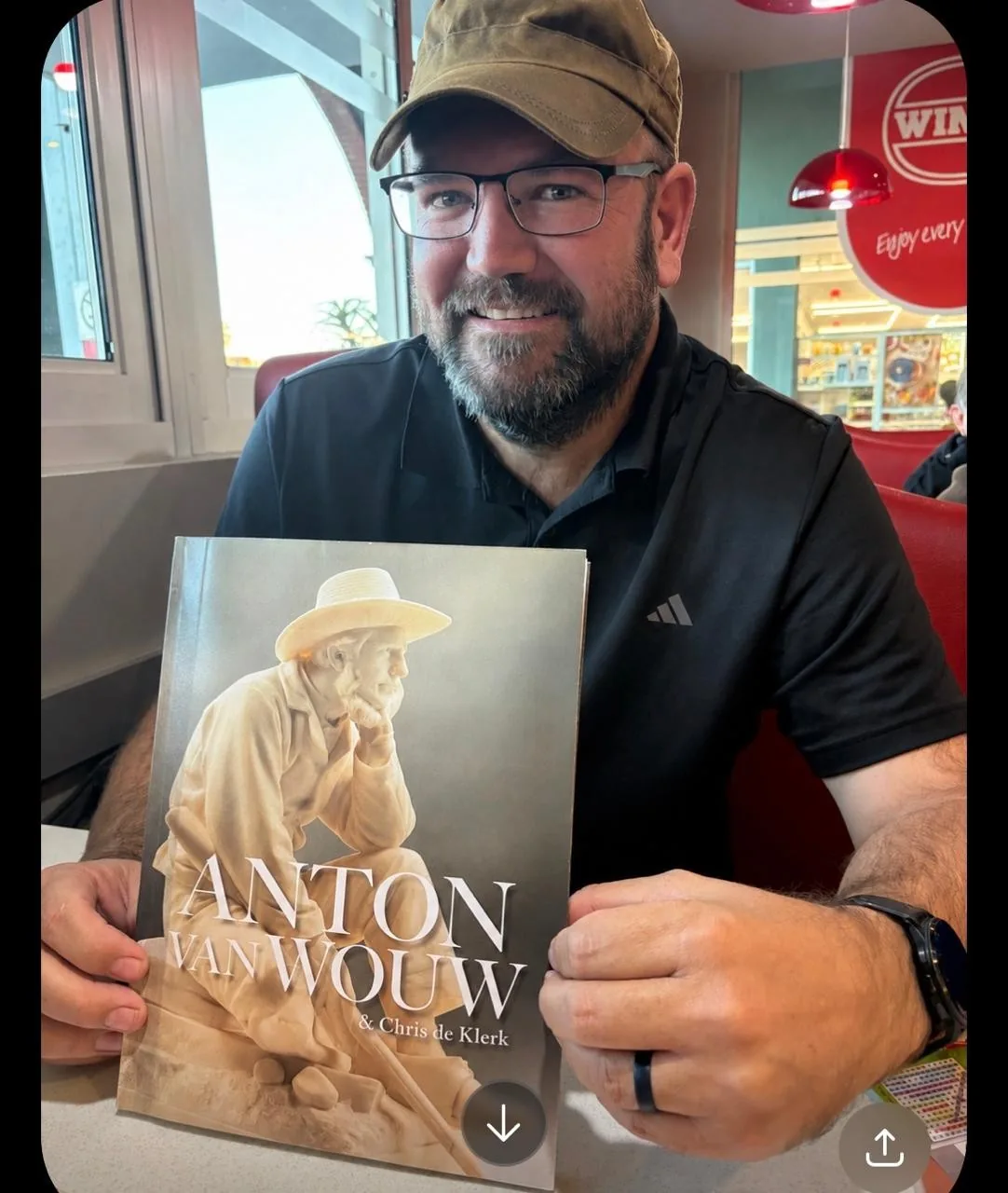
Chris de Klerk with the printed proofs
Chris de KlerkWith the proofs after collection

Gerard de Kamper brings the discipline of research, context and the historical record. Chris de Klerk brings the eye of a collector and adviser, shaped by decades of working with significant private collections and discerning clients in South Africa. Neither perspective is enough on its own; the strength of the publication comes from the conversation between them.

That combination changes the questions asked of a work. Is the attribution sound? What does the documentary record say? How does this cast compare with another? What has been repeated in the literature simply because it was said before? Those are collector's questions as much as scholarly ones, and they sit behind the tone of the book.

The passion is in the persistence.

There is nothing glamorous about checking another proof, returning to a source or moving a paragraph because the sequence still feels wrong. But that persistence is what separates a serious publication from a quick one. The candid photographs are worth showing precisely because they capture that part of the work.
Book launches

See it in person.

The launch programme began in October 2026 with the Johannesburg launch. Copies will be available to purchase at the events, with signed and personalised copies available where possible.

13 Oct
2026

Johannesburg

Official book launch, held at Strauss & Co · around 80 guests and a panel discussion with the authors

19 Nov
2026

Cape Town

Norval Foundation, 4 Steenberg Road, Tokai · copies available to collect

TBC
To be confirmed

Franschhoek / Stellenbosch

A further Cape Winelands event is being considered.

Available editions

Choose the edition that belongs in your collection.

The hardcover is the complete publication and stands on its own as a serious art reference. The leather collector's edition is a separate, limited object: only 100 individually numbered copies, each signed by both authors.

Anton van Wouw hardcover edition

Hardcover

The main edition

R2,500

The complete 224-page publication in hardcover. Designed as a substantial reference for collectors, libraries and readers with a serious interest in South African art.

Signed or personally inscribed copies available on request
Anton van Wouw leather collector's edition

Leather collector's edition

One of one hundred

R6,000
Individually numbered · signed by Gerard de Kamper and Chris de Klerk

The leather edition is limited to 100 copies. Each is individually numbered and signed by both authors. A personalised inscription can also be requested.

International shipping available
  • Pre-orders open · books ship after the launch
  • Free delivery in South Africa
  • Delivery to the UK and USA · other countries on request
  • Secure payment by Paystack